

Description
This guide provides a practical method for designing a simple and efficient in-house segmentation, particularly when time is short and resources are limited. This approach serves as a straightforward method to determine a segmentation scheme aiming to address an identified business challenge.
The steps follow classic segmentation procedures, which follow this use case:
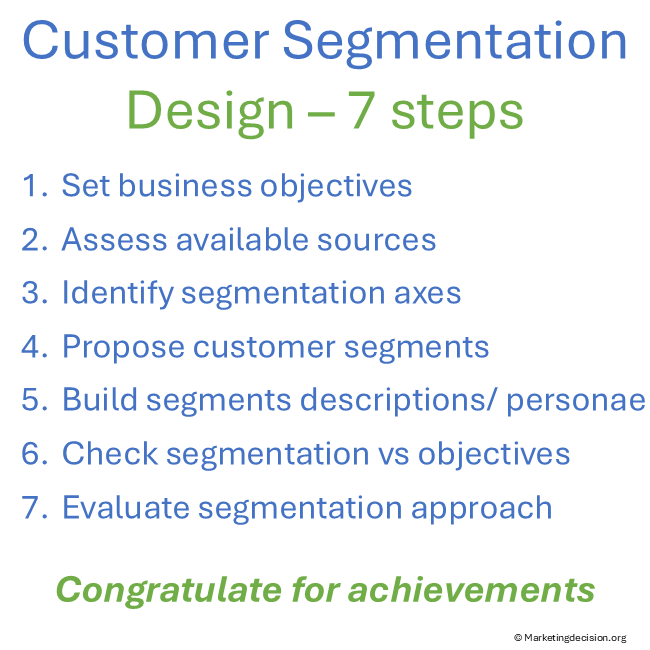
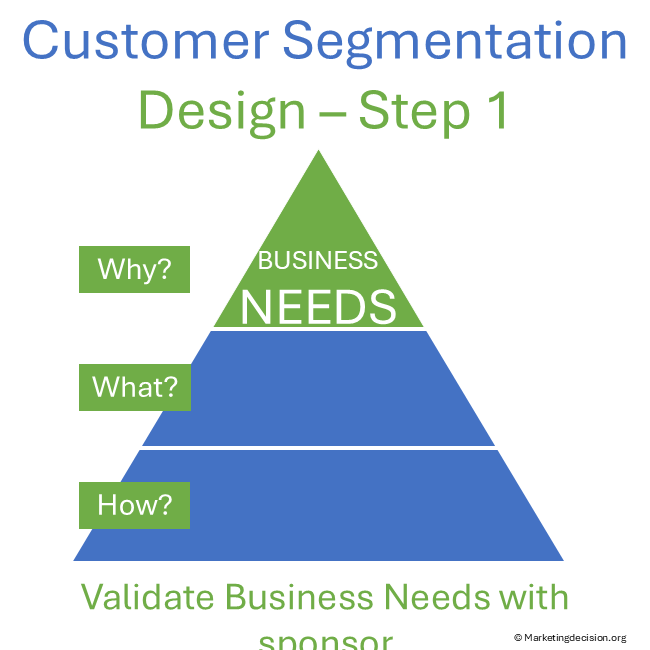
- Determine business objectives assigned to the segmentation.
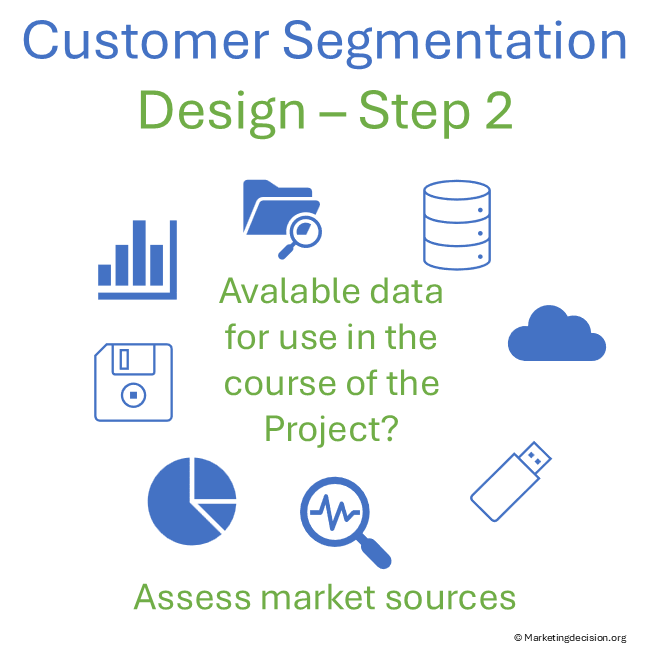
- Review available qualitative and quantitative data to support segmentation.
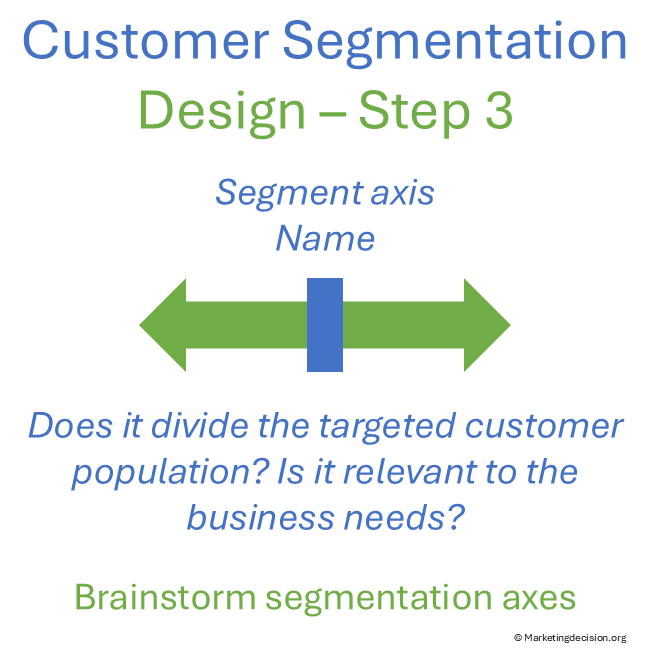
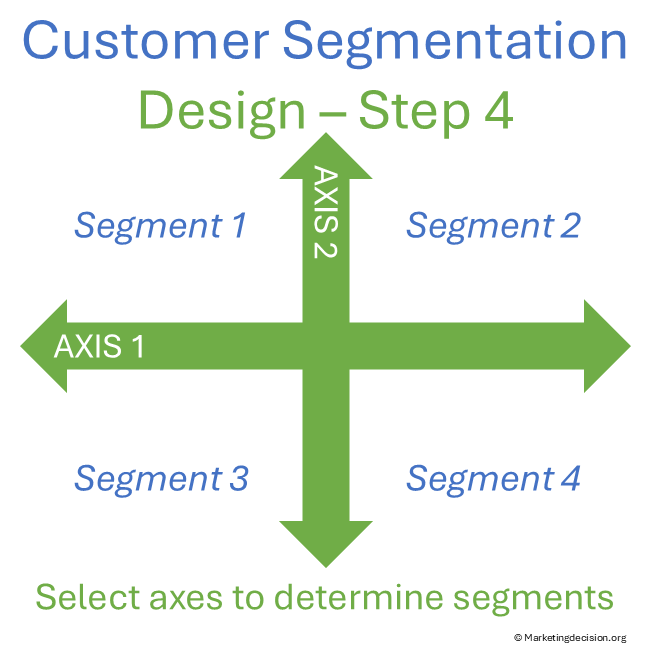
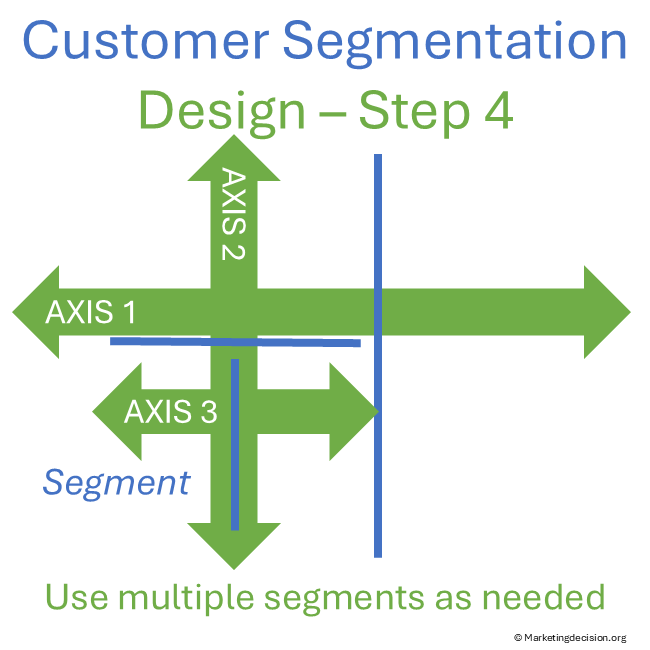
- Identify segmentation axes, refining and defining them with precise examples and descriptions.
- Propose customer segments based on those segmentation axes, ensuring appropriate sizes.
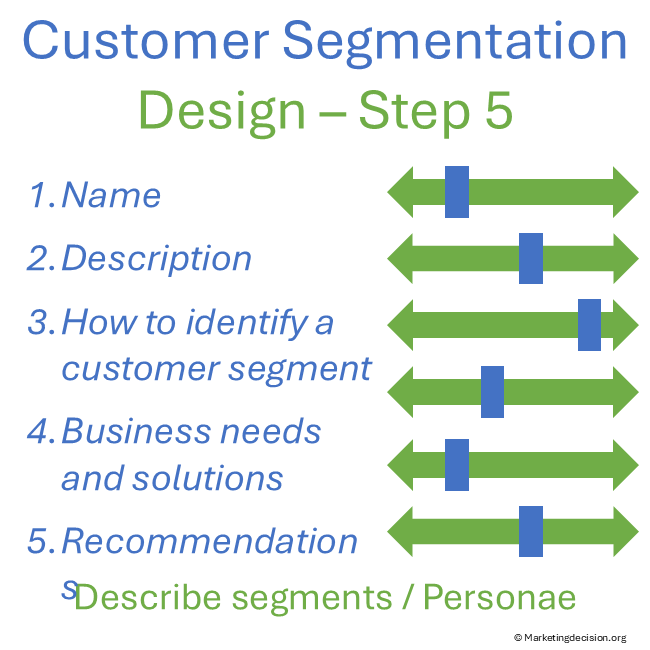
- Describe each segment and develop personae.
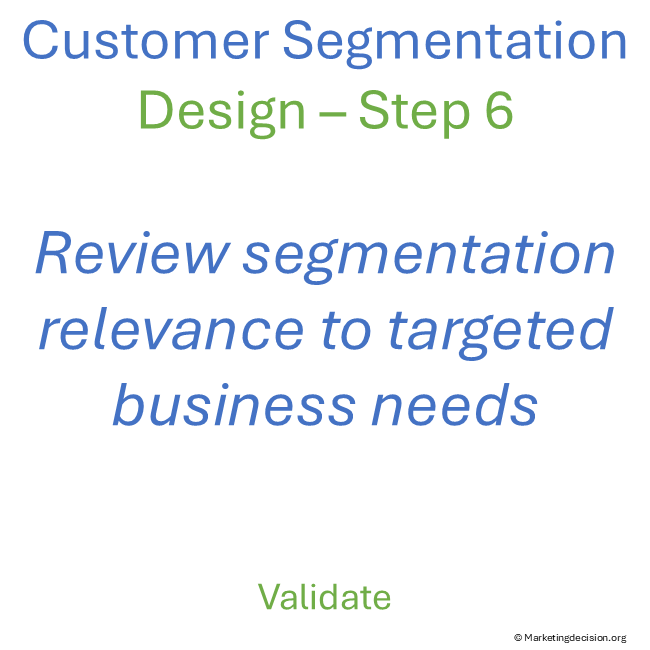
- Review business objectives in relation to identified segments. Formulate propositions to address objectives for each segment.
- Evaluate segmentation results and capture key learnings. Take action on topics left aside (in the “parking lot”).
Full-scale segmentation efforts follow similar steps but include interviews and comprehensive market research to validate findings. This simplified approach can serve as a test phase to assess feasibility and determine whether a more extensive segmentation is necessary. In many cases, a straightforward segmentation using internal company knowledge—both qualitative and quantitative—can be sufficient to align marketing efforts effectively.
Key Features of the Customer Segmentation Guide
Practical B2B Segmentation Framework
- Define clear, actionable segments using internal knowledge and market research.
- Follow a practical, step-by-step framework to align marketing strategies.
Lightweight and Actionable Approach
- Use a lightweight approach for quick, effective segmentation.
- Designed for B2B teams with limited time and resources.
Align Marketing Strategies
- Align marketing strategies with customer-focused objectives.
- Use the guide to shape customer-centric marketing decisions.
Use Cases
Customer Segmentation for Marketing
- Use the guide to define clear customer segments for targeted marketing strategies.
- Align your marketing efforts with customer-focused objectives.
Internal Segmentation Approach
- Use the lightweight, actionable approach to perform segmentation with internal knowledge.
- Clarify priorities among stakeholders and sponsors.
In Summary
Segmentation is a powerful tool for evaluating market positioning and shaping future performance. Since your competitors are likely conducting their own segmentation efforts, it’s essential to maintain an outside-in view.
Fortunately, segmentation doesn’t have to be complex, costly, or time-consuming. Even a lightweight approach can generate actionable insights when used effectively. Give it a try—you may be surprised at how much clarity it brings.
Links and References
To place segmentation decisions within a broader understanding of customer needs and motivations, see our Customer Mix foundation page.
This guide builds on the segmentation principles described on our Customer Segmentation Principles and Customer Segmentation Design pages.
This tool is essential to our Solution Mix chapter, which structures solution attributes, value drivers, and differentiation logic.
Usage & Licensing
Please review the Sales Conditions published on this website to fully understand your rights and the restrictions regarding the use of this product. Our products are intended for professional use only and are not designed for consumer purposes.
The products provided under this agreement are exclusively for the individual buyer or members of the same business unit. Sharing, distributing, or making them available to individuals or teams outside the designated user or relevant business unit is strictly prohibited. For software licensing purposes, a business unit is limited to a maximum of 100 employees, including full-time, part-time, and temporary staff. Additional licenses must be purchased in multiples of 100 if this limit is exceeded.
The provided download link is valid for two months and allows up to 10 downloads. Be sure to save a copy before the link expires or the download limit is reached. Users have full access to the application product, including any embedded macros, and may make necessary adjustments to suit their needs. However, all branding, trademarks, and references to marketingdecision.org must remain visible and intact within the application.
Ensure that you have a PDF file reader.
We appreciate your feedback on how to improve this application. Feel free to share your suggestions with us at contact@marketingdecision.org